Are You Wasting 30% of Your Warehouse?
Warehouse space is becoming increasingly expensive. Land prices, construction costs and energy costs continue to rise. At the same time, demand for storage capacity from retail, food, cold storage and 3PL operators keeps growing.
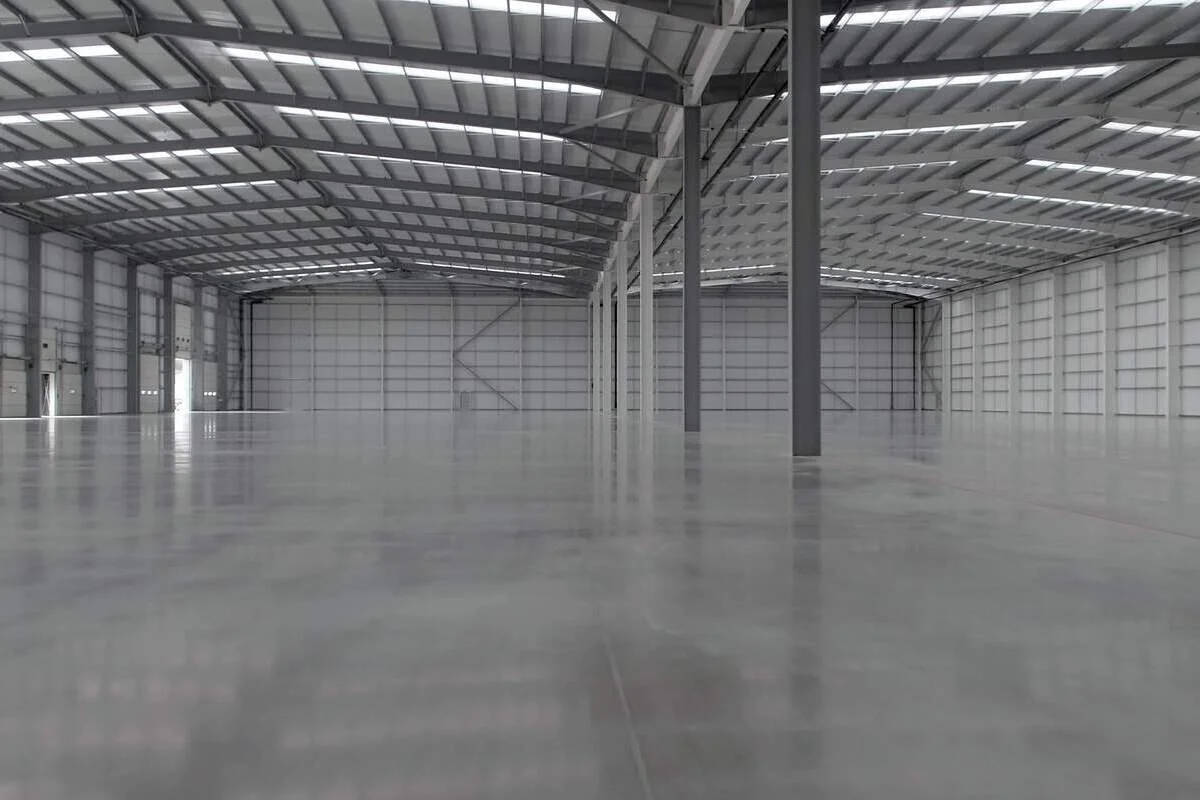
Yet when we review warehouse layouts, we regularly discover the same pattern: Most warehouses operate at only 60–75% of their true capacity. The remaining 25–40% of the building's potential space sits unused.
The issue is rarely the building itself. More often, it's the storage system being used.
The Hidden Cost of Traditional Racking
Many warehouses still rely on traditional pallet storage systems:
- Selective pallet racking
- Drive-in racking
- Pushback systems
- Pallet live storage
These systems have proven reliable for decades. But they create inherent inefficiencies that reduce overall warehouse capacity.
Common limitations:
- Large aisle requirements — forklifts need wide aisles to manoeuvre
- Air gaps in storage lanes — safety clearances and operational limits leave unused cubic space
- Limited lane depth — fewer pallets per lane
- High forklift travel time — slower operations, higher labour costs
The result: warehouses storing air instead of pallets.
Increasing Density with Pallet Shuttle Systems
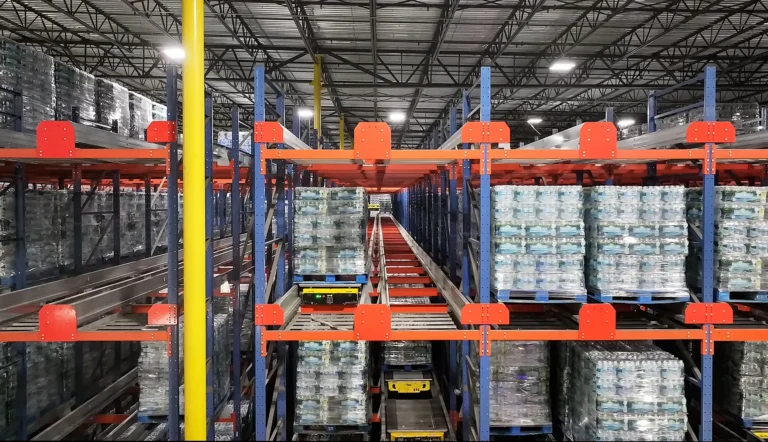
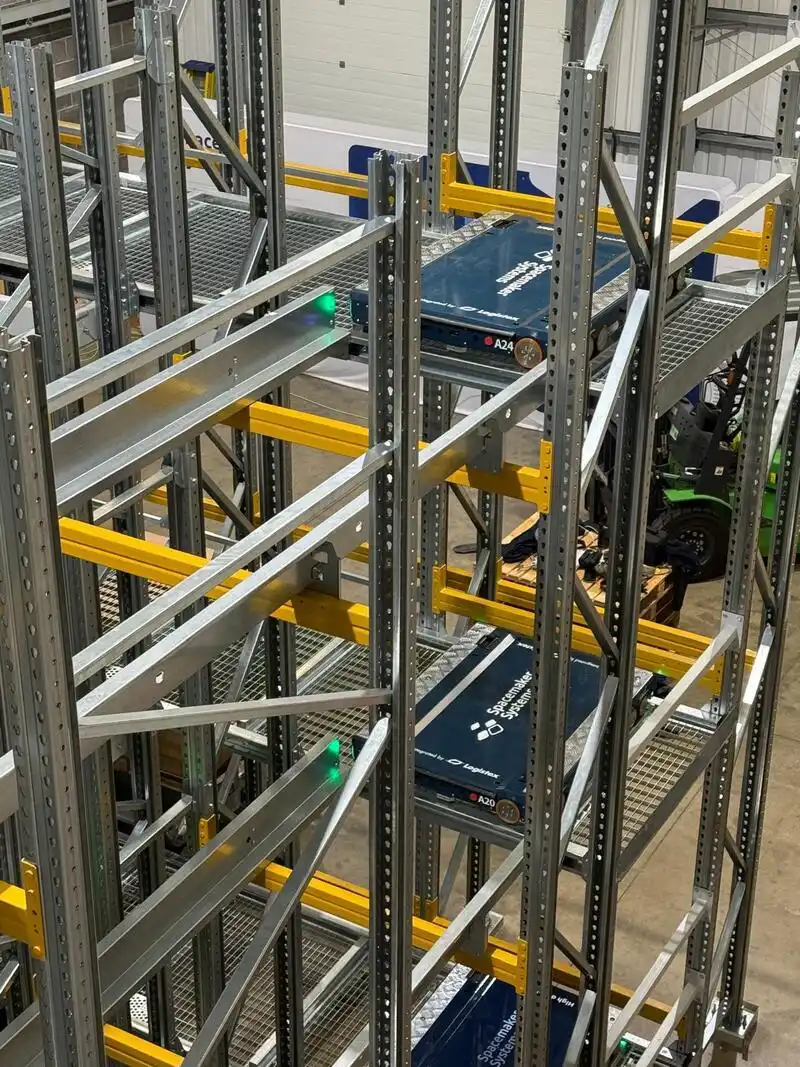
Modern pallet shuttle systems increase storage density without expanding the building footprint.
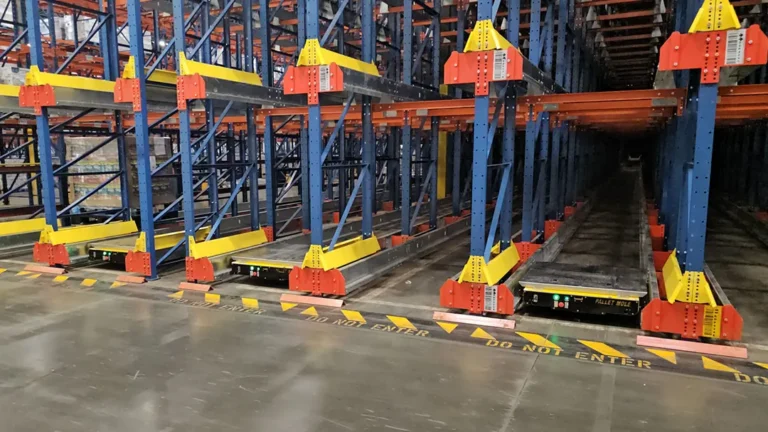
2-Way Pallet Shuttle Systems
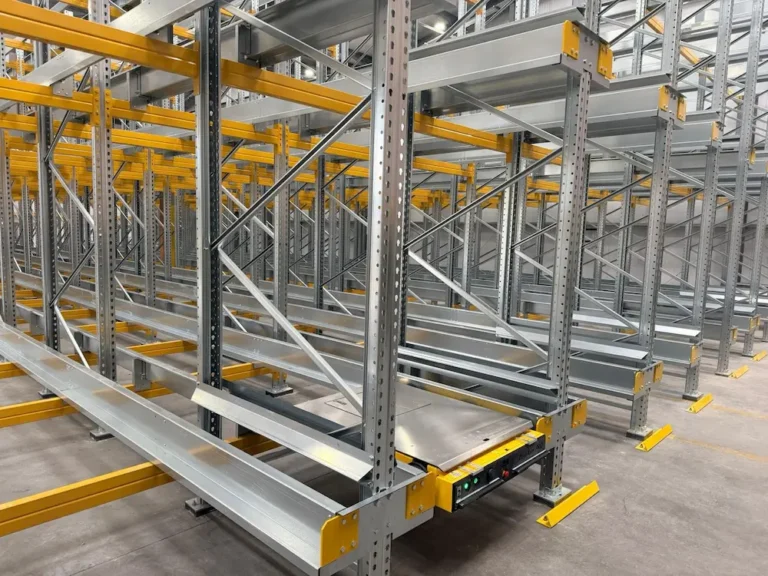
A 2-way shuttle moves pallets automatically within storage lanes while forklifts remain at the aisle entrance. This eliminates the need for forklifts to enter the racking, allowing:
- Deeper storage lanes
- Reduced aisle space
- Faster pallet handling
- Improved operator safety
In many warehouses, a 2-way shuttle system increases capacity by 40–60% within the same footprint. For cold storage environments, maximising pallet density reduces the volume that must be refrigerated — directly lowering energy costs.
4-Way Pallet Shuttle Systems
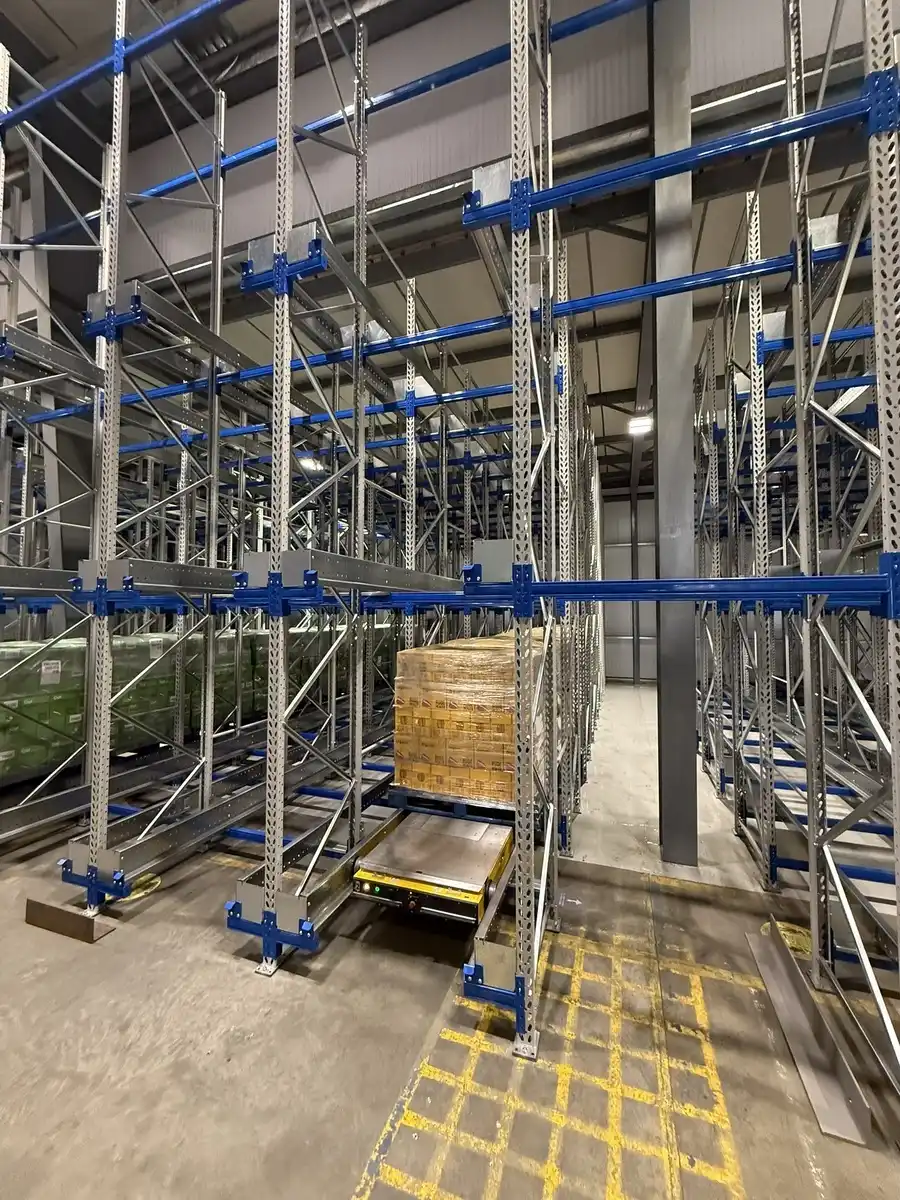
For maximum density and automation, 4-way shuttle systems deliver higher performance.
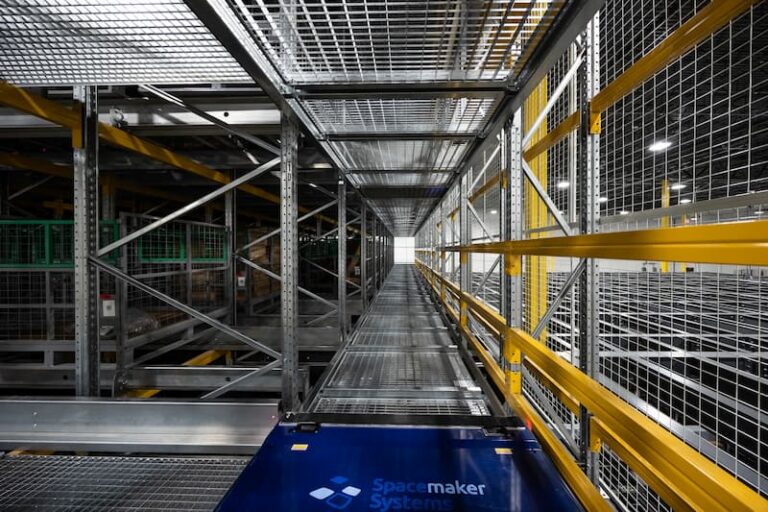
Unlike traditional systems, 4-way shuttles move:
- Along storage lanes
- Across aisles
- Between levels using integrated lifts
This creates a fully automated high-density grid that maximises available space.
Compared to conventional racking, a 4-way shuttle system delivers:
- Up to 60% more pallet capacity
- Higher throughput
- Improved inventory control
- Reduced labour requirements
Real-World Results
A cold storage distribution centre operating with drive-in racking had capacity for 5,200 pallet positions within its existing building.
Rather than construct a costly warehouse extension, the company installed a 2-way shuttle system.
The result: capacity increased to over 8,000 pallet positions — a 56% increase without expanding the building.
The business also benefited from faster pallet handling, reduced forklift damage, improved safety, and lower energy cost per pallet stored.
Discover Your Warehouse's Hidden Capacity
Before investing in new buildings or additional warehouse space, ask a simple question:
Are you using the full potential of your existing warehouse?
High-density storage systems can unlock capacity that already exists within your building footprint.
At Spacemaker, we help companies in cold storage, food manufacturing, retail distribution and 3PL logistics maximise warehouse capacity.